
Water Management That Protects Your Foundation
Gutter Installation & Repair in Piedmont for properties with foundation drainage issues and missing or damaged gutter systems
Without functioning gutters, roof runoff concentrates at the drip line, saturating soil against the foundation, eroding landscaping, and creating basement seepage or crawl space moisture problems that compromise structural integrity over time. Gutters collect water at the roof edge and direct it through downspouts to discharge points away from the building, preventing the soil saturation and hydrostatic pressure that lead to foundation settling and interior water intrusion. Gutter installation establishes this drainage system on new construction or properties that never had gutters, while repair work restores function to existing systems where sections have separated, downspouts are clogged, or fasteners have failed and allowed the gutter to pull away from the fascia.
Palmetto Contractors Group handles gutter installation and repair for residential and commercial buildings in Piedmont, working with seamless aluminum, steel, and copper gutter systems sized to handle the roof's square footage and rainfall intensity. Proper installation requires calculating slope toward downspouts, positioning hangers at intervals that prevent sagging, and locating discharge points where water flows away from foundation walls rather than pooling near the building perimeter.
Request an on-site assessment to determine gutter sizing requirements and identify optimal downspout locations for your property.
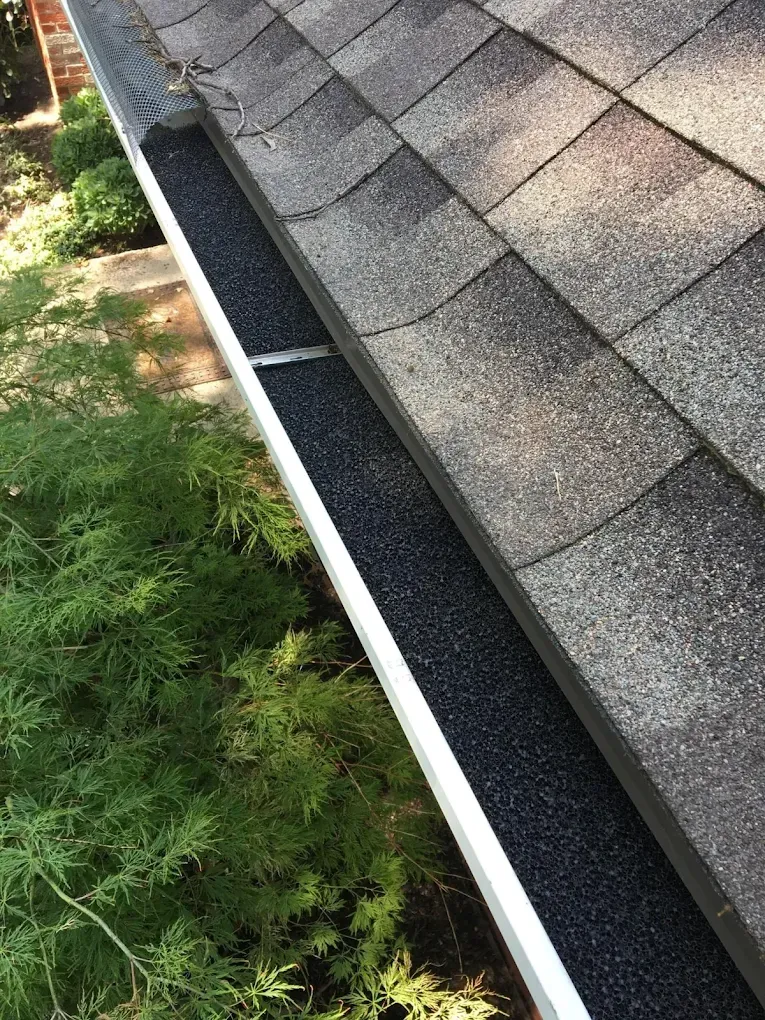
What You Notice Once Gutters Are Functioning
Installation involves mounting fascia brackets at precise intervals, hanging gutter sections with a consistent slope that moves water toward outlets without creating standing pools, and attaching downspouts that direct discharge through splash blocks or underground drains to daylight beyond the foundation zone. End caps are sealed to prevent leakage, seams are joined with commercial-grade sealant or crimped connections depending on material type, and downspout strainers prevent debris from clogging the vertical run.
Once gutters are working correctly, you'll see rainwater flowing through the system and exiting at downspouts rather than cascading off the roof edge in sheets, and the soil along your foundation remains visibly drier even during heavy rainfall. Basement walls stop showing moisture stains, landscaping mulch stays in place instead of washing away during storms, and you no longer hear the sound of water pouring directly onto walkways or plantings below the roofline.
Gutter repairs address specific failure points such as separated seams, holes from rust-through or impact damage, or sections that have pulled away from the fascia due to fastener withdrawal or ice loading during winter freezes that occasionally affect the Piedmont area.
What Property Owners Usually Ask
Questions about gutter systems focus on sizing, maintenance requirements, and how to prevent the clogging and overflow issues that reduce effectiveness.
What size gutters do I need for my roof?
Five-inch gutters handle most residential roofs, while six-inch systems are used for larger roof areas, steeper pitches, or regions with high rainfall intensity where smaller gutters would overflow during peak storm events common in Piedmont's thunderstorm season.
How do you prevent gutters from pulling away from the fascia?
Hidden hangers or fascia brackets are spaced no more than twenty-four inches apart to distribute the weight of water-filled gutters evenly across the mounting surface, preventing the sagging and separation that occurs with wider spacing.
When is repair more practical than full replacement?
Repair works when damage is limited to specific sections, the gutter material is still structurally sound, and the existing system is properly sized for the roof area, typically addressing seam failures or isolated impact damage without replacing functional sections.
What causes gutters to overflow during rain?
Clogs from leaves and debris block water flow toward downspouts, undersized gutters can't handle the volume from large roof areas, or insufficient downspout capacity creates a bottleneck that causes water to back up and spill over the gutter edge.
How far should downspouts discharge from the foundation?
Water should exit at least six to ten feet from foundation walls to prevent soil saturation in the bearing zone, achieved through splash blocks, flexible extensions, or underground drains that daylight at the property edge or tie into storm sewer systems.
Palmetto Contractors Group installs and repairs gutter systems throughout Piedmont, sizing components to match roof dimensions and rainfall patterns specific to the region. Call (864) 650-0374 to discuss gutter options and schedule a property evaluation for your installation or repair needs.