
Restoration That Reverses Storm Damage
Home Restoration in Piedmont for properties with wind damage, water intrusion, or exterior system failure after severe weather
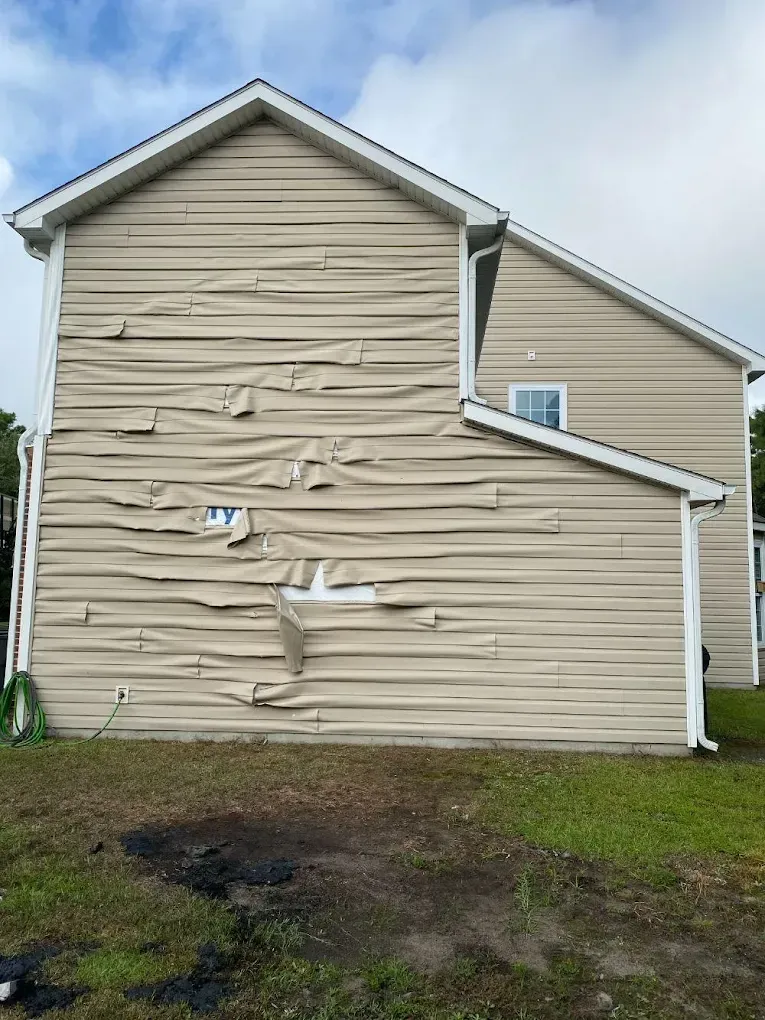
Storm damage restoration becomes necessary when high winds tear shingles from roof decking, hail punctures siding panels, or water enters through compromised flashing and saturates interior walls and insulation. Homeowners notice missing roof material, dented or cracked siding, water stains spreading across ceilings, and exterior trim hanging loose after severe weather events pass through the region. Palmetto Contractors Group restores roofs, siding, and exterior systems damaged by storms, working directly with insurance adjusters to document the extent of damage and ensure claims cover the full scope of necessary repairs.
The restoration process involves assessing structural damage to roof decking, wall sheathing, and framing, then removing compromised materials and replacing them with new components that match original construction standards. Roof restoration includes replacing torn or missing shingles, repairing damaged underlayment, and correcting flashing failures, while siding restoration addresses cracked panels, dented sections, and water-damaged sheathing beneath the exterior cladding.
Schedule a damage assessment to document storm impact and begin the insurance claims process with detailed photographs and material specifications.
What Changes After Storm Damage Restoration
Restoration work begins with temporary measures to prevent further water intrusion—tarping damaged roof sections and boarding broken windows—followed by detailed documentation for insurance purposes. Once claims are approved, damaged roofing, siding, and trim are removed, and underlying structural components are evaluated for rot, mold, or weakening that requires replacement before new exterior materials are installed.
After restoration completes, the home's exterior looks uniform and intact, with no missing shingles, cracked siding panels, or gaps around windows and doors. Interior ceilings and walls no longer show water staining, and insulation remains dry during subsequent rain events, confirming that the building envelope once again sheds water away from living spaces effectively.
Working with insurance claims requires clear documentation of pre-loss conditions, detailed estimates that itemize material and labor costs, and communication with adjusters who may request additional inspections or engineering reports to verify structural damage. The process often takes weeks from initial filing to final approval, with restoration work scheduled once coverage is confirmed and funds are allocated.
Answers to Frequent Service Questions
Homeowners dealing with storm damage often ask about the insurance process, timelines, and what gets covered before starting restoration work.
What should I do immediately after storm damage occurs?
Prevent further water intrusion by tarping damaged roof areas and covering broken windows, then document all visible damage with photographs before contacting your insurance company to file a claim.
How long does the insurance claims process take?
Initial adjuster visits typically occur within a week of filing, but claim approval and fund disbursement can take several weeks depending on the complexity of damage and whether engineering reports are required to verify structural issues.
What does storm damage restoration include beyond visible repairs?
Restoration addresses hidden damage to roof decking, wall sheathing, and insulation that may not be immediately apparent but compromises the building envelope and leads to mold growth or further deterioration if left untreated.
Why do some insurance claims cover full replacement while others only pay for repairs?
Coverage depends on policy terms, the age of damaged materials, and whether the damage is deemed cosmetic or functional; wind and hail damage that compromises the integrity of roofing or siding systems typically qualifies for full replacement in Piedmont claims.
How do you match new siding or roofing to existing materials?
Color and style matching involves obtaining samples from manufacturers, comparing them to undamaged sections, and in some cases replacing entire visible planes to avoid patchwork appearance that affects curb appeal and resale value.
Palmetto Contractors Group provides detailed estimates formatted for insurance submission and communicates directly with adjusters to clarify scope and costs. Contact the office to arrange a property inspection and discuss how restoration services work with your specific insurance policy requirements.